.png)


.png)

.png)


.png)



Sweet or dry Lambrusco: how to choose the right one
A Guide to Choosing Lambrusco
Some people like it lively and fresh, some like it softer and fruitier, and some pair it with Emilian cured meats.
and those who prefer it during a summer aperitif .
When it comes to Lambrusco, however, the question is almost always the same.
Is Lambrusco sweet or dry?
The answer is simple only in appearance,
because Lambrusco includes a family of wines deeply linked to Emilia-Romagna ,
with characteristics that change based on the grape variety, the production area and the processing method.
There are dry, fresh and savoury Lambruscos , but also softer and fruitier versions,
perceived as sweet while maintaining a good acidity.
Understanding the difference helps not only to choose the right wine,
but also to better match it with typical Emilian products .
In this guide we discover how to distinguish a sweet Lambrusco from a dry one,
What are the most interesting types and how to choose the best Lambrusco based on your tastes.
Is Lambrusco sweet or dry?
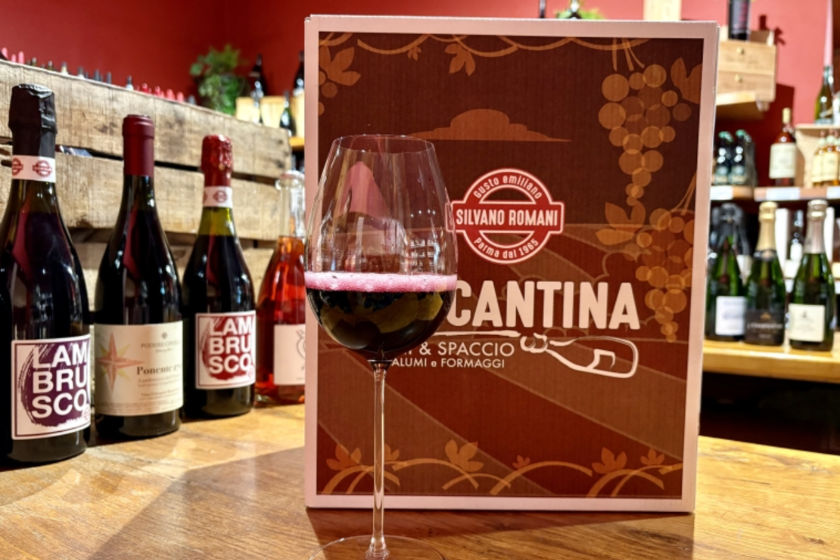
Many people search online for “is lambrusco sweet” because for years this wine has been associated above all with
to very soft and sugary versions exported abroad.
In reality, true Emilian Lambrusco is born predominantly dry.
Its historical identity is linked to sparkling, fresh and gastronomic wines,
designed to accompany the cuisine of Emilia-Romagna.
However, this does not mean that there are no softer or more lovable versions.
In fact, some sweet Lambruscos maintain a greater roundness and a more evident fruity component,
making them more immediate and easier to drink.
What makes a Lambrusco sweet or dry?
The main difference lies in the residual sugar , that is, the quantity of sugar that remains in the wine after fermentation.
A dry Lambrusco will have a drier and fresher finish,
while a sweet Lambrusco will offer a softer and more enveloping sensation.
The choice depends on personal taste and the type of pairing.
Dry Lambrusco enhances more flavourful and structured dishes.
A sweet or medium Lambrusco goes best with informal moments,
soft aperitifs and less intense pairings.
The return of Lambrusco to Italian tables
In recent years, the world of Lambrusco has experienced a true rediscovery.
More and more wineries have decided to promote the traditional version of wine,
focusing on quality production, careful processing, and a strong connection with the local area.
This has allowed Lambrusco to move away from the image of a simple wine
and poorly cared for which he accompanied him outside Italy for a long time.
Today Lambrusco has returned to being one of the symbolic wines of Emilian conviviality,
capable of being found both on the tables of historic inns and in contemporary restaurants .
The history of Lambrusco and its connection to Emilia Romagna
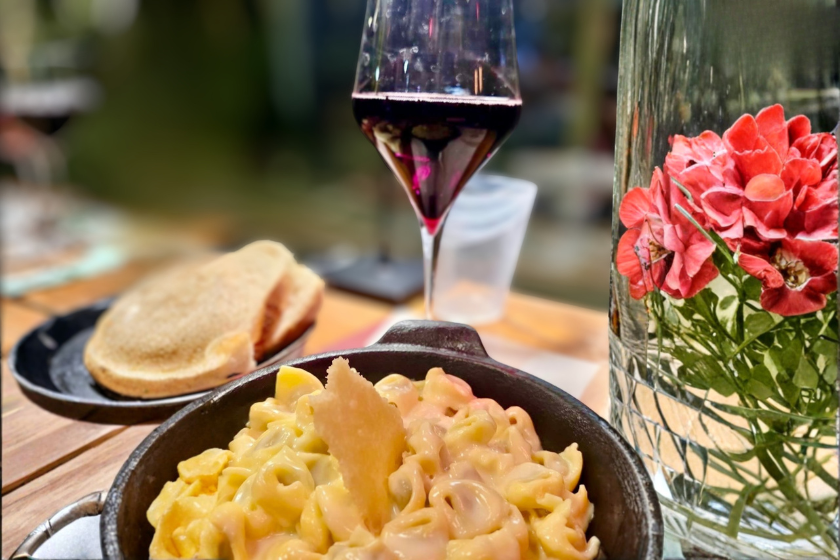
Talking about Lambrusco means talking about Emilia-Romagna .
This wine is born from a deeply rooted peasant tradition in the area and has accompanied local cuisine for centuries.
In the Emilian countryside, Lambrusco was the wine of the everyday table .
Fresh, sparkling and immediate, it was produced to accompany cured meats, fresh pasta and rich traditional dishes.
Its acidity helped cleanse the palate, while the bubbles made everything more convivial.
Even today, Lambrusco from Emilia maintains this authentic spirit.
It's a wine that isn't meant to dazzle with excessive complexity, but rather to pair well with food and people.
Lambrusco in the Food Valley
In the Food Valley , Lambrusco is a natural presence in the local gastronomic culture.
It accompanies Parmigiano Reggiano DOP , Parma Ham DOP , Culatello di Zibello DOP
and all those products that make Emilia famous throughout the world.
It's hard to imagine an Emilian table without a bottle of Lambrusco.
Precisely for this reason it continues to be one of the most distinctive wines of the area,
capable of describing Emilia with simplicity, character and immediacy.
How to recognize a dry Lambrusco
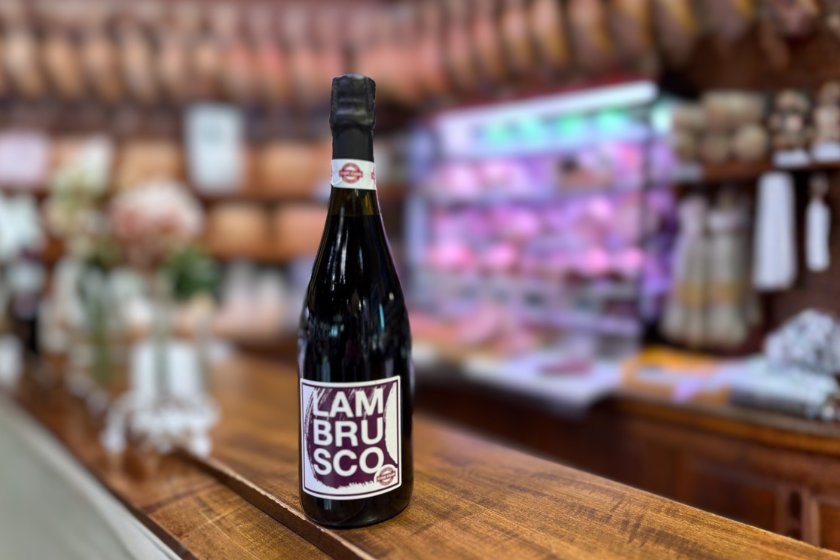
A good dry Lambrusco can be recognized from the first sip.
The freshness is immediate, the bubbles lively but never aggressive, while the finish tends to remain clean and dry.
On the nose , aromas of cherry, blackberry, violet and small red fruits often emerge.
In the mouth, however, the acidic component perfectly balances the fruity part, making it extremely gastronomic.
The best pairings with dry Lambrusco
It is precisely this characteristic that makes dry Lambrusco the ideal companion to Emilian cuisine.
With Parma Ham DOP , Culatello di Zibello DOP , Salame Felino IGP and Parmigiano Reggiano DOP ,
manages to create a perfect balance between flavor, fat and freshness.
Also with traditional first courses, tortelli, lasagne and boiled meats ,
Dry Lambrusco maintains a dynamic drinkability that cleanses the palate without covering the flavours.
Why dry Lambrusco is so gastronomic
Another important element is drinkability .
A well-made dry Lambrusco naturally invites another sip, without being heavy.
This is one of the reasons why it is often chosen during long, convivial lunches typical of the Emilian tradition.
When to choose sweet Lambrusco
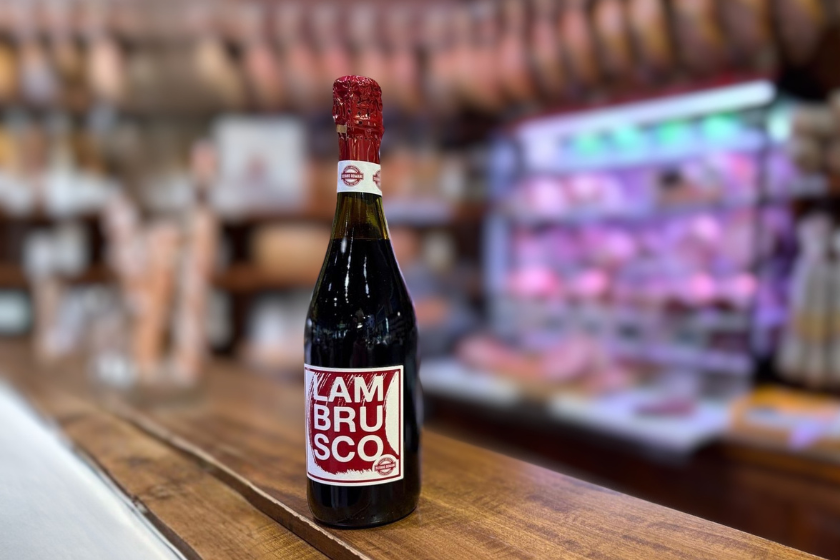
Sweet Lambrusco is often chosen by those who prefer softer, rounder, and fruitier wines.
The sugary sensation is more evident, but when the wine is well made it still manages to maintain freshness and balance.
It's a perfect type for informal aperitifs, less intense platters , and convivial moments where you're looking for a more immediate drink.
Some versions also pair well with medium-aged cheeses and traditional Emilian dry desserts.
Sweet Lambrusco and aperitif
Those who approach the world of Lambrusco for the first time often tend to prefer these softer interpretations,
precisely because they are easy to drink and very aromatic.
Sweet Lambrusco can also surprise with less traditional pairings.
Some labels work very well with spicy cuisine, sweet and sour dishes or creative aperitifs .
The fruity component helps to balance more intense or aromatic flavors.
Can a sweet Lambrusco be elegant?
The important thing is not to automatically associate the term sweet with something unrefined.
A good sweet Lambrusco still retains its territorial identity, acidity and character.
When produced well, it manages to maintain balance and freshness without being heavy or cloying.
The main types of Lambrusco
Behind the word Lambrusco lies a much broader universe than you might think.
Over the years, each region of Emilia Romagna has developed specific characteristics that make each variety different from the others.
Lambrusco made from the Maestri grape is one of the most typical expressions of the Parma area and is also among the most widespread.
It is recognized by its intense color, fruity aroma and full structure, capable of giving the wine body and roundness.
and a pleasant immediacy. On the palate it often recalls ripe red fruits,
with a liveliness that makes it very suitable for Emilian cuisine and the products of the Food Valley.
Lambrusco di Sorbara is probably the most elegant and delicate.
It has a lighter color, strong acidity and floral aromas reminiscent of violets and small red fruits.
It is fresh, vertical and also perfect as an aperitif.
Lambrusco Grasparossa, on the other hand, is more intense and structured.
The color is darker, the body fuller and the vinous component more marked.
It pairs perfectly with rich dishes, meats and important cured meats.
Lambrusco Salamino often represents the meeting point between freshness and softness.
It is versatile, balanced and very pleasant at the table.
How the taste of Lambrusco changes depending on the territory
The territory also profoundly influences the taste of the wine.
Temperature variations, soil type and climate alter acidity, aromas and structure.
It is precisely this variety that makes the world of Lambrusco much more interesting than one might think.
Each bottle tells a different story of Emilia Romagna.
What is the best Lambrusco?
There is no single best Lambrusco that is valid for everyone.
The choice depends on the type of experience you are looking for.
Those who like fresher, sharper wines will probably prefer a dry Sorbara.
Those looking for structure and intensity will orient themselves towards a Grasparossa .
Those who want a softer and more convivial drink might appreciate a sweet Lambrusco .
The real difference is always made by the territory, the producer and the processing method .
A good Lambrusco must maintain a balance between fruit, acidity, and bubbles, without being heavy or excessively sugary.
The quality of the grapes and respect for processing times also have a significant impact on the final result.
The most attentive producers manage to create wines that maintain spontaneity and character without losing precision and elegance.
How to serve Lambrusco
Service also greatly influences the final experience.
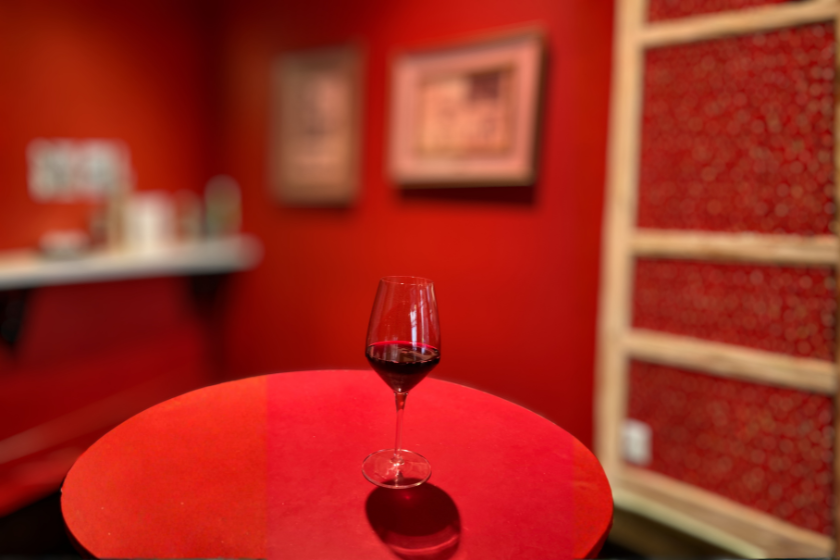
Lambrusco should be served chilled, generally between 8 and 12 degrees .
The lighter, more floral versions perform best at slightly lower temperatures,
while the more structured ones express their aromas better a few degrees above.
Mistakes to avoid
Serving it too cold is a fairly common mistake, because excessive cold tends to mask aromas and nuances.
Even the glass has its importance.
A glass that is too small limits the aromatic component, while a larger one allows the wine to express itself better.
Many still think of Lambrusco as a simple wine to drink without paying attention.
In fact, when served correctly, it manages to display a much more interesting complexity than one might expect.
Lambrusco and Emilian cuisine
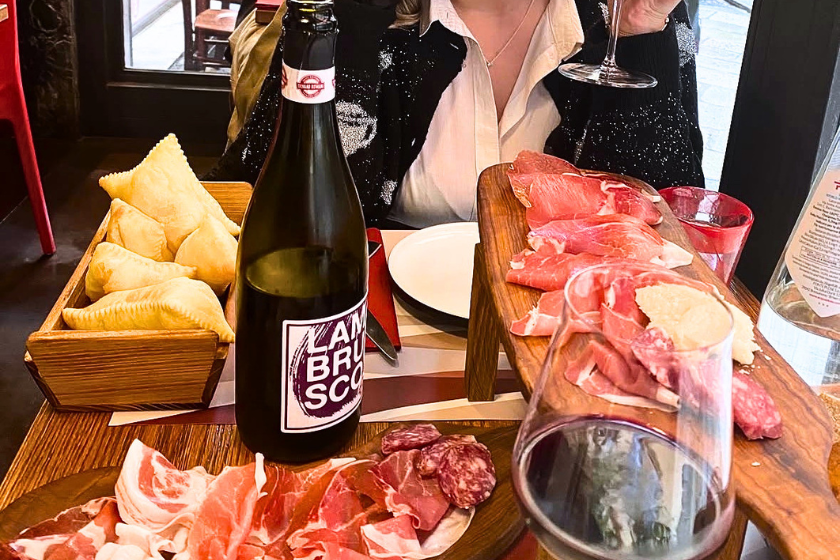
Lambrusco is one of the wines that best represents the Emilian cuisine.
Fresh, lively and convivial, it was created to accompany rich dishes, strong flavours and products that have made the Food Valley famous.
Its strength lies in its balance.
The acidity and bubbles cleanse the palate , while the fruit accompanies without covering.
This is why it pairs so well with the flavour of Parmigiano Reggiano DOP and the sweetness of Prosciutto di Parma DOP.
and to the depth of the Culatello di Zibello DOP.
With the most important cured meats, dry Lambrusco becomes a natural ally.
It lightens the bite, supports the taste and makes the tasting more harmonious.
With tortelli, boiled meats, roasts and mature cheeses it maintains the same ability to adapt, remaining present but never invasive.
This is what makes it so Emilian. Lambrusco doesn't try to dominate the table, it complements it.
And it does so with that naturalness that transforms a simple lunch into a moment of true conviviality.
Lambruscos selected by Silvano Romani
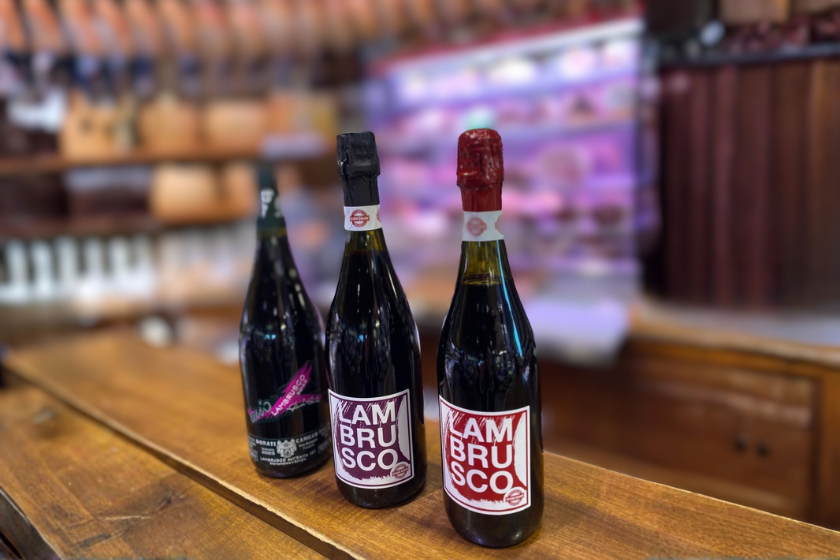
The online Lambrusco selection proposed by Silvano Romani was born from the desire to tell the many souls of
of the symbolic wine of Emilia-Romagna.
In the online shop , historical labels, contemporary interpretations, drier and more territorial versions coexist,
Soft and convivial Lambruscos,
bottles designed for everyday dining and others capable of accompanying more refined occasions.
The most popular Lambruscos in the shop
Among the most appreciated products stands out the famous Otello Nero di Lambrusco 1813 from Cantine Ceci ,
over the years it has become one of the most recognizable labels in the Emilian panorama.
It is a soft, intense, creamy and contemporary Lambrusco,
much loved even by those who approach this wine for the first time.
Great success also for Marcello Lambrusco Millesimato Ariola ,
an elegant and persistent bottle that interprets dry Lambrusco in a more refined way,
also perfect for dinners and special occasions.
Among the most interesting labels in the shop we also find the Lambrusco Rosé Lini 910 , fresh,
floral and more delicate than traditional Lambruscos.
A modern proposal that works very well as a summer aperitif and paired with contemporary cuisine.
The labels signed by Silvano Romani
Also very representative of the selection are the Lambruscos signed by Silvano Romani,
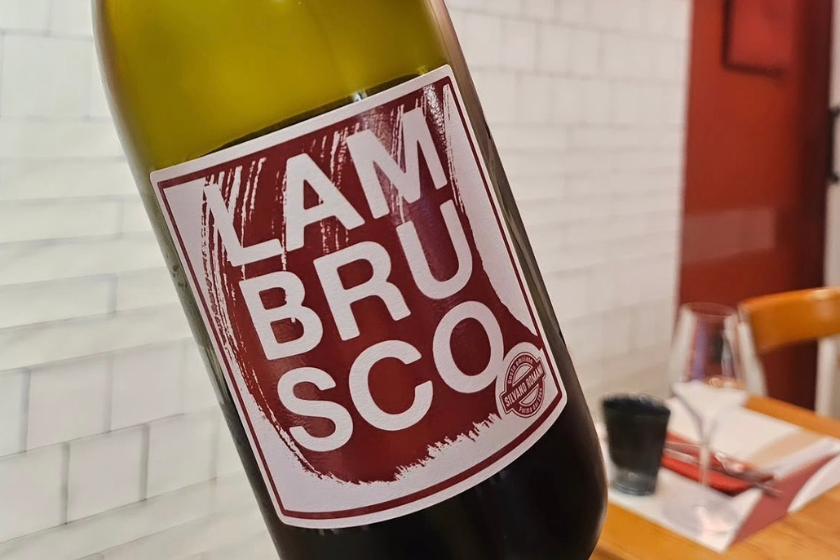
such as the Lambrusco Spumante Emilia IGP Etichetta Viola and the Lambrusco Frizzante Emilia IGT Etichetta Rossa .
They are two convivial and immediate interpretations, ideal to accompany Emilian cured meats, fried foods,
Parmigiano Reggiano DOP and typical Parma cuisine.
These bottles are designed for those looking for a versatile Emilian Lambrusco,
pleasant to drink and suitable for many different occasions.
The territorial and more structured Lambruscos
For those looking for more territorial and structured bottles, the selection also includes I Salici di Monte delle Vigne ,
elegant and mineral, and I Calanchi DOC BIO , an organic product that focuses on freshness and drinkability.
The shop also offers labels much loved by lovers of traditional Emilian wines,
such as the Lambrusco Scuro Lini 910, the Lambrusco Grasparossa Tasso Fattorie Moretto,
the Monovitigno Grasparossa DOP Fattorie Moretto and the Lambrusco Salamino di Santa Croce DOC,
all wines that express the most gastronomic and territorial side of Lambrusco.
The most unique offers in the shop
There is no shortage of more particular interpretations such as the Fortana Emilia IGT Cantine Bergamaschi ,
historic wine from the Bassa Parmense area with a rustic and lively personality, or the Lancellotta Emilia IGT
Santa Croce Winery , characterised by soft and fruity notes.
Among the proposals present in the shop we also find the Lambrusco Frizzante Colli di Parma DOC Lamoretti,
the Torcularia Lambrusco Frizzante IGT Cantine Carra and the Cantine della Volta Sparkling Red Wine,
which further expand the selection dedicated to Emilian sparkling wines.
How to choose the right Lambrusco in the online shop
This variety makes it easy to find the best Lambrusco based on your tastes.
There are those who prefer a drier and more mineral wine, those who seek a softer and fruitier drink,
some want a Lambrusco as an aperitif and others want a bottle capable of accompanying all Emilian cuisine.
In the Silvano Romani online shop , the choice can start right from the occasion.
For a platter of cured meats and cheeses, you can opt for a dry, gastronomic Lambrusco.
For a lighter aperitif, a rosé or more floral version might work. For a complete Emilian dinner,
Instead, it's better to choose a more structured Lambrusco, capable of accompanying rich and tasty dishes.
The right Lambrusco for every occasion
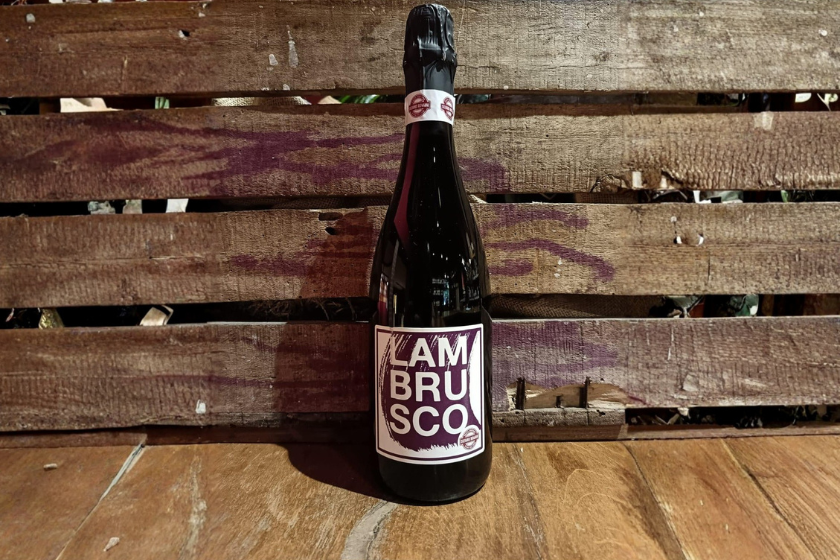
Choosing between sweet Lambrusco and dry Lambrusco means starting from the moment it is served.
A Sunday lunch, an aperitif with cold cuts,
an Emilian dinner or a gastronomic gift require different bottles,
capable of accompanying food without covering it.
Dry Lambrusco is the most natural choice for traditional Emilian cuisine.
Its freshness supports rich and tasty dishes, accompanies Emilian cured meats,
Parmigiano Reggiano DOP and aged cheeses, leaving the palate clean and ready for the next bite.
The sweet or amabile Ambrusco brings a softer, fruitier and more immediate drink to the table.
It works well in convivial moments, in lighter aperitifs and with those looking for an easy to appreciate wine,
pleasant from the first taste.
Ultimately, the best Lambrusco is the one that creates balance between wine, food, and occasion.
If chosen carefully, it becomes one of the simplest and most pleasant ways to bring the character of Emilia to the table.
FAQ
Is Lambrusco sweet or dry?
Lambrusco can be either sweet or dry.
Dry Lambrusco is fresher, drier and more gastronomic,
while the sweet or amabile Lambrusco has a softer and fruitier drink.
Is Lambrusco sweet?
Many people search for “is Lambrusco sweet” because some versions exported abroad are sweet or semi-sweet.
In reality, traditional Emilian Lambrusco is often dry, fresh, and designed to accompany cuisine.
What is the best Lambrusco?
The best Lambrusco depends on tastes and pairings.
A Lambrusco di Sorbara is fresher and more elegant, a Lambrusco Grasparossa is more structured,
while a Lambrusco Salamino is versatile and very balanced.
What does Lambrusco pair with?
Lambrusco pairs very well with typical Emilian products, such as Parmigiano Reggiano DOP
, Parma Ham DOP, Culatello di Zibello DOP and Salame Felino IGP.
Where to buy Lambrusco online?
You can buy Lambrusco in Silvano Romani's online shop,
where you'll find a selection of Emilian wines designed to pair with Food Valley products.
Related posts
Why to sign the excellence? May I present you Silvano Romani products
Lambrusco: the red and sparkling wine is back in fashion
The moment of the truth: the grape-harvest
Complete Guide to Lambrusco: Types and Pairings
Leave a comment
Log in to post comments